

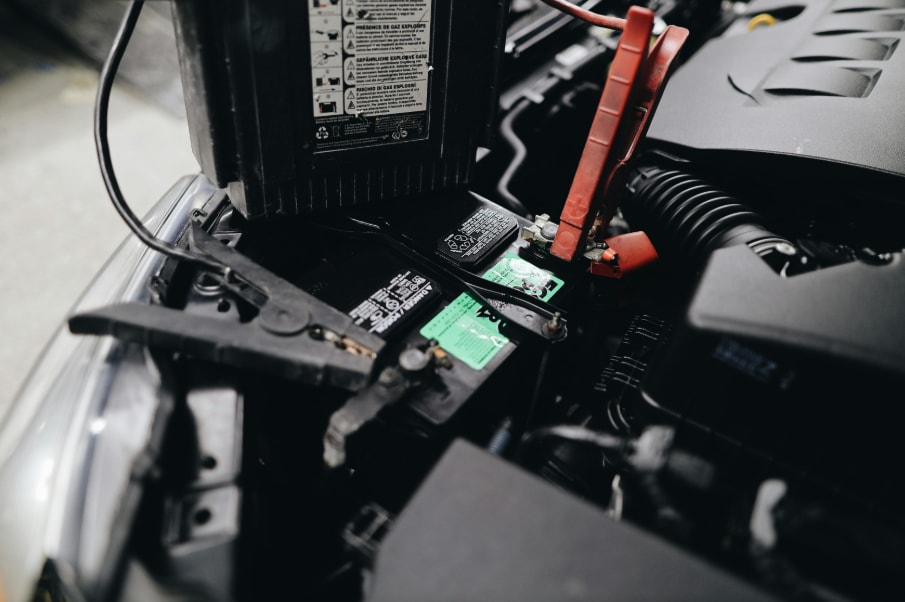
Your Subaru's battery wears down every time you start your vehicle, particularly during our brutal Montana winters. Knowing how to spot the telltale signs of a failing battery can save you the cost and inconvenience of an unexpected breakdown on a frigid Great Falls morning.
Starting and Dashboard Warning Signs
Dashboard lights are one of the most obvious signs of a battery issue and can help you become aware of charging issues before you're stranded. Modern Subarus use interconnected systems controlled by a central computer. Issues with one component typically affect others, so battery problems often trigger multiple warning lights.
Battery and Related Dashboard Indicators
The battery-shaped dashboard light signals charging system troubles and alternator failure. When it turns on during driving, this usually means your alternator isn't recharging properly. When it's accompanied by electrical warnings, you likely have problems with the alternator voltage. Trouble starting without battery lights usually points to issues with the battery itself.
Slow Cranking and Starting Issues
Sluggish engine turnover and weird startup noises mean your battery is losing power. A clicking sound indicates insufficient battery power for the starter. Slow cranking points to a weak battery, while a single loud click or silence signals the starter lacks power.
Healthy Subarus start with a steady cranking that becomes engine rumble. Failing batteries cause slow turnover, delayed catches, or rapid clicking. Cold weather worsens these signs.
Physical and Sensory Warning Signs
A visual inspection can reveal your battery health without special tools. Here are some things to look out for.
Swollen Case, Corrosion, or Leaks
Great Falls' extreme weather and use of road salt create prime corrosion conditions. Terminal corrosion can block electrical connections and prevent your vehicle from starting. Check for white or blue powder near posts, case cracks, and rusty clamps. Minor buildup cleans off, but heavy corrosion signals acid leakage requiring replacement.
Check the shape of your battery case as well. It should be flat and rectangular — bulging shows internal damage from overcharging and heat buildup. If you notice any case changes, stop driving immediately and take your vehicle to a professional for service.
Unusual Odors
Strange battery smells point to internal problems that could affect your safety. Car batteries contain sulfuric acid that leaks from overcharging or cracks. A rotten-egg odor indicates hydrogen sulfide gas, which irritates the throat and lungs, causing nausea and breathing issues. It's important not to smoke or create sparks near the battery and to get professional help quickly if any issues arise.
Electrical and Environmental Factors
Great Falls' temperature fluctuations severely impact battery life. Cold weather slows chemical reactions, making starting more difficult, while heat accelerates fluid evaporation and component breakdown.
Battery Life Span and Climate
Most car batteries last from three to five years in Montana's climate. Montana winters can cut battery strength 25% or more, and every 10-degree drop in temperature costs about 5% in starting power. This is why batteries that work in the fall may have issues when temperatures plummet, and why it's recommended to replace batteries in the fall before the cold sets in.
Dimming Lights and Malfunctioning Electronics
Electrical issues can cause your battery to deliver inconsistent power. Dim or flickering headlights that appear yellowish or flutter when slowing indicate a weak alternator. Fading interior lights point to a battery charge loss.
Modern Subarus need stable electrical power for engine control and safety features. Slow power windows, glitchy screens, or intermittent air conditioning signal weak electrical flow. Multiple electrical problems mean the battery can't maintain proper voltage.
Battery Testing and Replacement Options
Professional testing can let you know your battery's condition and remaining life, revealing hidden problems before extreme weather arrives and preventing unnecessary replacement.
Dealer Testing and DIY Multimeter Basics
Professional dealer testing goes beyond basic voltage checks. Their load testing is done with equipment that simulates actual conditions and finds internal issues that simple readings miss.
DIY checks help between service visits. A healthy battery will read around 12 volts when using a multimeter — specifically, 12.6-12.8 volts when fully charged and the car is off. Set the digital multimeter to DC voltage, then touch the red lead to the positive terminal and the black lead to the negative terminal. A healthy charging system reads 13.7-14.7 volts while running, showing proper alternator recharging.
Genuine Subaru vs. Aftermarket Batteries
The choice between genuine Subaru and aftermarket batteries comes down to warranty coverage, specs, and reliability. Genuine Subaru batteries meet exact electrical requirements and comply with precise vehicle specs for optimal charging system performance. They offer longer warranties and guaranteed compatibility.
Aftermarket batteries save money but may lack performance or warranty protection. Check specs, such as cold-cranking amps and reserve capacity, to ensure they match your Subaru's needs. Genuine Subaru batteries' cold-weather performance often justifies their higher cost through better reliability during Great Falls' winters.
Preventive Maintenance Tips
Taking care of your battery before problems start extends its life span and prevents surprise failures that leave you stuck.
Cleaning, Driving Habits, and Seasonal Care
Check monthly for crusty terminals and cables, and clean them when needed. Clean terminals with baking soda and water, then add petroleum jelly to stop future corrosion. This removes buildup that blocks electrical flow and keeps connections tight during extreme weather.
Your driving habits also affect your battery's health. Trips under 20 minutes don't give your alternator enough time to recharge startup power, so take longer drives occasionally. Park in the shade when possible to shield your battery from extreme heat, as high temperatures can dry out the fluid and damage internal parts. Turn off extras, such as lights, when the engine isn't running to reduce battery drain.
Keep Your Subaru Running Strong
Spotting the signs of battery failure early helps you avoid unexpected breakdowns, making regular battery checks essential for reliable driving. Whether you notice starting troubles, dashboard warnings, or physical battery wear, fixing these issues promptly saves you money and keeps you safe. For professional battery testing, genuine Subaru replacement parts, and expert installation, visit Great Falls Subaru — our certified techs will keep your Subaru running strong through every Montana season.
Car Battery Beside an Engine by Julia Avamotive is licensed with Pexels License