

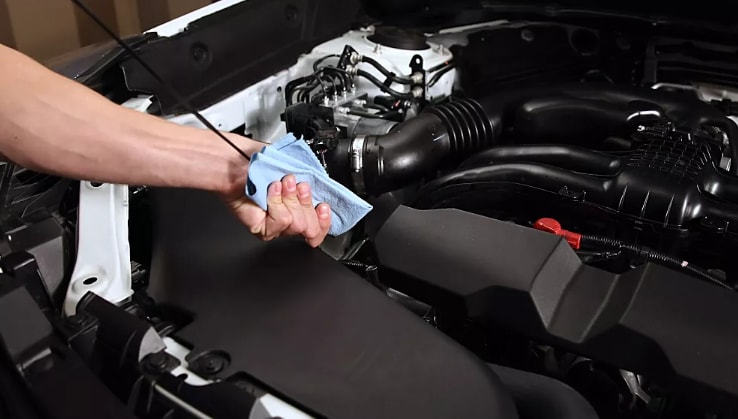
Your Subaru was built to tackle tough conditions, but Montana's brutal climate pushes your vehicle harder than almost anywhere else in the country. Temperature swings from -20°F overnight to 50°F by afternoon put your engine oil through relentless stress. Regular oil changes here aren't just maintenance, they're survival gear for the unique punishment of Montana driving.
At Great Falls Subaru, we see vehicles hammered by bitter cold starts, dusty gravel roads, and steep mountain climbs every single day. We've watched how smart maintenance intervals separate Subarus that faithfully serve families for 200,000 miles from those that develop expensive problems way too early. Understanding how Montana's climate accelerates oil degradation helps you protect what you've invested in.
Why Montana's Climate Makes Regular Oil Changes Essential for Your Subaru
Montana isn't just cold. It's a brutal combination of conditions that destroys oil faster than most drivers realize. The state's wild temperature swings, high-altitude driving, and gravel roads create what manufacturers call severe driving conditions. Your Subaru fights these battles daily, from frozen morning starts to dusty afternoon runs through ranch country.
Vehicle manufacturers build standard maintenance schedules around ideal conditions: steady temperatures, smooth highways, engines that reach full operating temperature on every trip. Montana drivers rarely see these conditions. Making short trips to town in January when your engine never fully warms up, or navigating washboard gravel roads? Your oil works overtime and breaks down faster than any standard schedule accounts for.
How Extreme Cold Weather Impacts Your Subaru's Engine Oil
Cold weather completely changes how oil behaves inside your engine. The same fluid that flows smoothly at 70°F turns thick and stubborn when temperatures crash below zero. This transformation affects everything from that first morning turnover to highway cruising.
Oil Viscosity Challenges During Montana Winters
Oil viscosity (its thickness and flow) transforms dramatically with temperature. Turn the key on a -15°F morning and your oil might be 10 times thicker than at normal operating temperature. That thickness means your oil pump fights to push lubricant to critical engine parts during those first crucial seconds.
Subaru specifies oil viscosities like 0W-20 and 5W-30 specifically for cold-start protection. The first number (the "0W" or "5W") shows how the oil flows when freezing. In Montana, picking the right viscosity is the difference between instant lubrication and grinding metal during cold starts. As oil ages and accumulates contamination, its flow characteristics deteriorate, making it even worse in extreme cold.
Temperature Swings and Accelerated Oil Breakdown
Montana's 70-degree temperature swings between night and day create special stress on engine oil. Oil molecules break down through oxidation, a chemical process that heat accelerates. Your engine heats during operation, then cools completely overnight. This cycle repeats constantly, and each one contributes to oil degradation.
Cold starts introduce moisture into your oil. When your engine doesn't reach full operating temperature (common during short winter trips), this moisture doesn't evaporate. Water contamination creates sludge and reduces the oil's lubricating ability. Over time, this contaminated oil becomes far less effective at protecting moving parts.
High-Altitude Driving Demands in Montana
Montana's mountains add another layer of stress. Climbing steep grades to reach trailheads or crossing mountain passes makes your engine work harder and generate more heat. Higher elevations mean thinner air, which affects combustion efficiency and can increase carbon buildup in your oil.
Towing trailers to campgrounds or hauling outdoor gear multiplies these demands. Your Subaru's AWD system and horizontally-opposed engine were designed for this work, but they need clean, effective oil to handle the load without premature wear.
Recommended Oil Change Frequency for Montana Subaru Owners
Today's synthetic oils and engine technology have evolved beyond the old 3,000-mile rule. However, Montana's harsh conditions mean you can't simply follow the standard 6,000-mile or six-month interval in your owner's manual.
Understanding Standard vs. Severe Driving Conditions
Subaru defines severe driving conditions to include frequent sub-freezing temperatures, repeated short trips where the engine doesn't reach operating temperature, stop-and-go traffic with extended idling, driving on dirt or gravel roads, and operating in mountainous terrain. Sound like your typical Montana driving? You're operating under severe conditions.
We recommend oil changes every 3,000 miles for Montana drivers facing these conditions regularly. This isn't old-school thinking, it's practical protection based on how quickly oil degrades when subjected to moisture contamination from incomplete warm-up cycles, dust infiltration from gravel roads, and thermal stress from temperature extremes.
If you mostly drive highway miles in warmer months and your engine consistently reaches full operating temperature, you might stretch intervals slightly. But most Montana drivers face severe conditions throughout the year, especially during winter.
Synthetic vs. Conventional Oil for Cold Weather Performance
Choosing between synthetic and conventional oil isn't about price alone, it's about protection. Synthetic oil's molecular structure provides real advantages in Montana's climate, particularly during cold starts and extreme temperature swings.
| Feature | Synthetic Oil | Conventional Oil |
|---|---|---|
| Cold-start flow in sub-zero temps | Superior; ensures smooth engine operation immediately | Thicker when cold; slower to circulate |
| Recommended interval (newer Subarus) | 5,000–10,000 miles under ideal conditions | 3,000–5,000 miles |
| Resistance to breakdown | Better resistance; improved lubrication at extreme temperatures | May require more frequent changes due to shorter lifespan |
| Older/high-mileage engines | Acceptable depending on owner's manual | Often used; more frequent changes needed |
| Best choice for Montana winters | Preferred for wide temperature stability | Requires stricter, shorter intervals in harsh use |
For newer Subaru models like the Outback or Forester, synthetic oil isn't just recommended, it's essential for maintaining warranty coverage and ensuring reliable cold-weather performance. The superior flow at low temperatures means your engine gets lubrication almost immediately on cold starts, reducing the wear that accumulates over thousands of cycles.
Warning Signs Your Subaru Needs an Immediate Oil Change
Your Subaru communicates when it needs attention. Recognizing these warning signs can prevent small problems from becoming major disasters.
If your oil warning light comes on or flashes, schedule service immediately. This warning means either low oil level or insufficient pressure, both of which can cause rapid engine damage. Engine knocking, ticking, or louder-than-normal valvetrain noise during startup suggests your oil isn't providing proper cushioning between moving parts.
Visual inspection reveals a lot. When you check your oil (and you should check monthly), it should look amber or light brown. If it appears very dark, thick, or gritty, or smells burnt, it's loaded with contaminants and past its useful life. A noticeable drop in fuel economy or sluggish acceleration can indicate increased internal friction from degraded oil.
Darker-than-normal exhaust smoke that persists after warm-up might signal oil burning in the combustion chamber. Adding oil repeatedly between scheduled changes is another clear warning sign. Don't wait for the next scheduled interval if you notice these symptoms.
Long-Term Benefits of Consistent Subaru Maintenance in Cold Weather
Regular maintenance pays off in ways that extend far beyond avoiding breakdowns. The cumulative effect of proper care becomes obvious as your Subaru ages.
Protecting Engine Longevity and Performance
Fresh oil maintains a strong lubricating film that reduces wear during cold starts, when most engine wear actually happens. Those first few seconds after a cold start, before oil reaches all components, cause more wear than hours of normal driving. Clean oil minimizes this damage during thousands of cold-start cycles over your vehicle's life.
Proper maintenance helps Subaru engines routinely exceed 200,000 miles. We've serviced Outbacks and Foresters from the early 2000s that still run smoothly because their owners stuck to consistent service schedules. These vehicles didn't need expensive engine overhauls or premature replacement because preventive maintenance costs far less than reactive repairs.
Preventing Costly Repairs and Preserving Resale Value
Neglected oil changes create sludge buildup that clogs oil passages and starves components of lubrication. This sludge can cause timing component wear, valve train problems, and even complete engine failure. A major engine repair can easily cost several thousand dollars, the equivalent of decades of regular oil changes.
Documented dealer maintenance histories significantly improve resale and trade-in value. When potential buyers see consistent service records from a Subaru dealership, they know the vehicle was properly cared for. This documentation can add hundreds or thousands to your vehicle's value when it's time to sell or trade. Factory maintenance also supports warranty coverage and eligibility for goodwill assistance if problems develop.
What's Included in a Professional Subaru Oil Change in Great Falls MT
An oil change at our dealership involves much more than draining old oil and adding new fluid. We treat each service as an opportunity to catch potential problems before they become expensive repairs.
Comprehensive Multi-Point Inspection for Montana Conditions
Montana driving stresses multiple systems beyond your engine. During every oil change, we inspect your coolant's freeze protection, critical for preventing frozen engines during our winters. We check battery cold-cranking performance, because Montana winters destroy batteries. Terminals and cables get inspected for corrosion that prevents reliable starts.
Belts and hoses crack and harden from cold exposure, so we examine them for deterioration. We assess tire tread depth and pressure, crucial for traction on snow and ice. Brake pad thickness and rotor condition get checked, since mountain driving and winter conditions demand reliable stopping power. We inspect your undercarriage for rust, road debris damage, and fluid leaks, problems that develop from gravel road driving.
Your wipers and lights get verified for proper operation, because visibility matters during Montana's winter storms. This thorough approach means you leave knowing your Subaru is ready for whatever conditions you'll face.
Genuine Subaru Oil Filters and Manufacturer-Approved Fluids
We use only genuine Subaru oil filters engineered specifically for your vehicle's engine. These filters feature precise bypass valve pressure ratings and filtration media designed to work with Subaru's oil system. Generic filters might fit, but they weren't designed to meet Subaru's exact specifications.
The manufacturer-approved oils we use meet Subaru's viscosity and additive package requirements. These specifications matter because your engine's tolerances, sealing systems, and timing components were designed around specific oil properties. Using the correct fluids protects your warranty coverage and ensures your Subaru performs as engineered.
Why Choose Great Falls Subaru for Your Oil Change Service
Factory-Trained Subaru Technicians Who Understand Montana Driving
Our technicians receive ongoing training directly from Subaru on the latest maintenance procedures and technical updates. They work exclusively on Subaru vehicles, developing specialized knowledge that general mechanics don't possess. More importantly, they understand Montana driving because they live here and face the same conditions you do.
When we recommend more frequent intervals or point out wear patterns on your vehicle, that advice comes from seeing dozens of Subarus weekly that face identical climate challenges.
Genuine Parts and Service Warranty Protection
Using genuine Subaru parts and service through our dealership protects your factory warranty and maintains detailed service history in Subaru's national database. This documentation travels with your vehicle and proves proper maintenance if warranty claims arise.
Check our service promotions page for current specials on oil changes and other maintenance services.
Schedule Your Subaru Oil Change at Great Falls Subaru Today
Montana's climate won't get easier on your Subaru, but proper maintenance ensures your vehicle handles whatever conditions you encounter. Whether you're commuting to work in Great Falls, hauling gear to wilderness trailheads, or navigating mountain passes, your engine deserves the protection that clean oil provides.
Don't wait until warning lights appear or strange noises develop. Our service department is open Monday through Friday from 7:30 AM to 5:30 PM and Saturdays from 8 AM to 12 PM.
Contact our service team today at (406)-998-6198 to schedule your next oil change. Let us help keep your Subaru running strong through Montana's demanding seasons.
Categories:
Service