

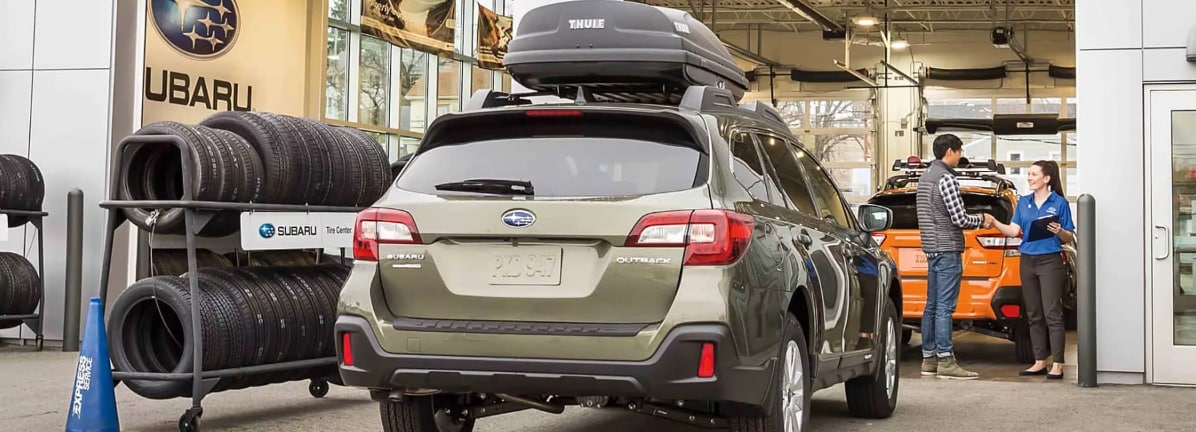
Montana asks a lot of vehicles. Mountain passes, gravel backroads, brutal winters, and spring conditions that change by the hour mean your Subaru works harder here than almost anywhere else. That reality shapes how you think about maintenance costs, how often you schedule service, and how much you set aside each year. The good news is that Subarus are genuinely built for conditions like these, and with the right approach, they deliver reliable, long-lasting performance. At Great Falls Subaru, we work with Montana owners every day to help them stay ahead of the maintenance curve.
Why Subaru Maintenance Costs Vary for Montana Drivers
Geography plays a bigger role in what you pay than most people realize. High-altitude driving and frequent travel on unpaved roads influence how often certain services are needed, and extreme temperature swings don't help either.
A driver commuting in Great Falls on paved roads has different service needs than someone regularly driving ranch roads near Choteau or running through mountain terrain around Browning or Lewistown. The more demanding your environment, the harder your Subaru's tires, suspension, and fluids have to work. Knowing your specific conditions means you can plan ahead instead of getting caught off guard by an unexpected repair bill.
Labor rates and parts availability in rural Montana can also affect your overall costs. A certified dealership with factory-trained technicians and genuine parts access gives you better cost predictability over time. If you want to get ahead of upcoming service needs, schedule service at Great Falls Subaru before your next mileage milestone arrives.
Routine Subaru Maintenance: What to Expect at Every Visit
Routine visits are the backbone of any solid maintenance approach. They're relatively modest in cost individually, but staying consistent is what keeps small issues from becoming expensive repairs. Knowing what each service involves helps you see the value in keeping up with it.
The Core Service Interval
Subaru's recommended interval is every 6,000 miles or six months, whichever comes first. Each of those visits covers the essential items that keep your Subaru running reliably between major milestones:
| Interval | Services Included |
|---|---|
| Every 6,000 miles or 6 months | Oil and filter change, tire rotation, brake inspection |
That combination addresses your highest-frequency wear items in a single visit and gives our technicians a chance to catch anything developing before it becomes a larger repair.
Oil Changes and Fluid Services
Oil changes matter more in Montana than in milder climates. Cold starts put extra strain on engine components, and dusty or extreme conditions can shorten fluid life. Synthetic oil offers better protection whether you're dealing with a hot August afternoon or a January morning pushing well below zero.
Fluid services covering coolant, brake fluid, and transmission fluid are equally important. These fluids degrade over time, and neglecting them can quietly compromise performance and safety.
Tire Rotations, Brake Inspections, and Filter Replacements
Tire rotations promote even tread wear and extend tire life, which matters a lot when you're counting on winter tires for traction on icy roads. Uneven wear shortens tire lifespan and can affect handling and fuel efficiency in ways that add up over time.
Brake inspections deserve extra attention in Montana. Steep grades and long descents put real strain on brake components, and catching worn pads or degraded brake fluid early is far less costly than replacing rotors. Cabin and engine air filter replacements keep your HVAC system and engine breathing cleanly. If you regularly drive on dusty gravel roads, those filters can clog faster than the standard interval assumes.
Following Your Subaru's Maintenance Schedule
Subaru's recommended maintenance schedule is designed to catch issues before they escalate and to maintain your Subaru's integrity across its lifespan. Sticking to it also protects any warranty coverage you carry.
Key Service Milestones and What They Involve
The schedule builds toward key milestones at 15,000, 30,000, and 60,000 miles. At 15,000 miles, you're typically looking at brake inspections, drivetrain checks, and a review of all major fluid levels. The 30,000-mile visit expands to include the fuel system, spark plugs, and suspension components. By 60,000 miles, the service is a significant one, often covering timing component inspections, differential fluid service, and a full review of wear items across the Subaru.
These intervals aren't arbitrary. They're calibrated to the lifespan of specific components, and skipping them can mean paying significantly more later when a worn part fails at the worst possible time.
How Montana Roads and Seasons Change Your Service Needs
Montana's environment compresses some of those service timelines. Regular driving on unpaved roads accelerates wear on suspension and steering components. Washboard surfaces and seasonal frost heaves take a toll that smooth pavement never would, and your service needs may shift accordingly, particularly around wheel alignment checks and suspension inspections.
Salted winter roads are worth noting specifically. Undercarriage corrosion is a genuine concern in Montana and may warrant more frequent service intervals than the calendar alone would suggest. The transition from winter to spring is one of the most important times to bring your Subaru in. Road salt, sand, and grit that build up over winter can affect brake performance and undercarriage integrity, and getting ahead of that inspection before summer driving season makes both practical and financial sense.
Seasonal Maintenance Every Montana Subaru Owner Should Plan For
Planning around Montana's seasons isn't just smart; it's necessary. Before winter arrives, confirm your antifreeze concentration is right for temperatures that regularly drop well below zero. Check your battery's cold-cranking capacity, inspect wiper blades, and make sure your tires are rated for winter conditions. Visibility and traction are non-negotiable when you're driving through a February whiteout outside Great Falls.
Spring and summer bring their own checklist. Coolant levels and the condition of hoses and the radiator matter more as temperatures climb. If your Subaru's air conditioning system wasn't tested all winter, a pre-summer inspection catches refrigerant loss or compressor issues before they become a roadside problem. These seasonal checks are manageable and pay off in comfort and reliability when conditions get extreme.
Check our current service specials before your next seasonal visit, as we regularly offer promotions timed to these intervals.
Budgeting for Subaru Ownership Over the Long Haul
A question we hear often is whether the cost of ownership is manageable over many years. RepairPal estimates Subaru owners spend an average of $617 per year on maintenance and repair costs, which runs slightly below the industry average of $652 per year. Over the first 10 years of ownership, Subaru models average around $7,291 in total maintenance and repair costs. Those figures reflect well-maintained vehicles following the recommended schedule.
Estimating Annual Maintenance Costs by Mileage and Model
Actual costs vary by model, mileage, driving conditions, and the specific work required in any given year. Subarus in their early years with lower mileage typically come in toward the lower end of that range. As mileage climbs or major service milestones approach, costs naturally increase to reflect the broader scope of work involved.
The Forester, Outback, and Crosstrek are particularly popular in Montana for their AWD capability, and their maintenance costs track closely with these general estimates. Higher-mileage Subarus require more attention to wear items like belts and seals, but knowing when those milestones are coming lets you plan your budget instead of absorbing a surprise repair bill.
Tips for Avoiding Costly Repairs Down the Road
The most effective way to keep maintenance costs manageable is straightforward: follow the recommended schedule, stay current on services, and document everything performed on your Subaru. A well-documented service history helps identify patterns, supports resale value, and gives our technicians better context when diagnosing issues.
Using genuine Subaru OEM parts is also worth prioritizing over aftermarket alternatives. OEM parts are engineered to the specifications your Subaru was built around, which reduces the risk of premature wear or compatibility issues that end up costing more in the long run.
Why Servicing at Great Falls Subaru Makes a Difference
Choosing where you service your Subaru is as important as choosing when. Our factory-trained technicians work specifically on Subarus every day. That specialization means they know each model well, including how the Outback's boxer engine handles cold starts and how the Crosstrek's AWD system holds up on Montana's mixed-surface roads.
Servicing with us means access to genuine OEM parts, up-to-date technical service bulletins, and diagnostic equipment calibrated for your specific Subaru. Transparent pricing and multi-point inspections mean you leave knowing your Subaru's actual status. We serve drivers from across the region, including those coming in from Havre, Choteau, Lewistown, Belt, Ulm, Vaughn, and Browning.
Schedule Your Next Subaru Service in Great Falls
Keeping up with your Subaru's service schedule doesn't need to be complicated. Our service department at 800 Central Ave, Great Falls, MT 59401 is open Monday through Friday from 7:30 AM to 5:30 PM and Saturday from 8 AM to 12 PM.
Whether you're due for a routine oil change, approaching a major mileage milestone, or heading into a new season and want to make sure your Subaru is ready, schedule service at Great Falls Subaru with a team that knows these vehicles inside and out. You can also reach us directly at (406) 998-6198. Montana roads are demanding enough; your maintenance routine doesn't have to be.
Categories:
Service