
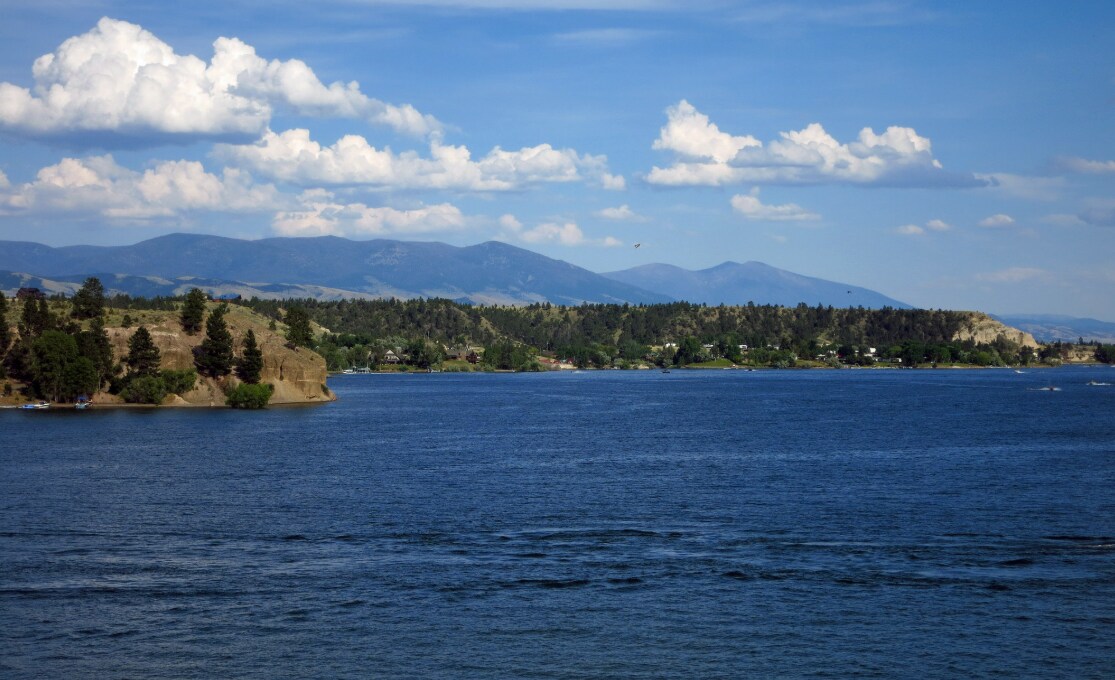
Montana earned its "Big Sky Country" reputation honestly. The sheer scale of open water, towering limestone cliffs, and wind-swept shorelines you encounter on a summer drive out of Great Falls reminds you why people move here and never leave. Whether you're chasing walleye at dawn, launching a kayak into glassy water, or setting up camp with the family, the lakes near Great Falls, MT are close, accessible, and genuinely worth the effort.
This guide covers the top destinations, what to expect at each one, and how to make the most of your summer out on the water.
Why Great Falls Is Montana's Perfect Gateway to Summer Lake Adventures
Great Falls sits at a geographic sweet spot. Positioned along the Missouri River in central Montana, the city puts you within striking distance of some of the finest lake country in the state without requiring a full day of driving. Serious boating and fishing water is reachable in under an hour, and some of the most scenic lakes in Montana sit within a two-hour radius.
The city also has the practical infrastructure that matters when you're planning a lake trip: gear shops, grocery stores, and fuel stations. That combination of central location and real-world convenience makes Great Falls one of the best basecamp towns in the state for summer lake exploration.
Canyon Ferry Lake: Big Water and Big Fun Close to Home
Roughly an hour southeast of Great Falls, Canyon Ferry Lake spans 33,534 acres with 76 miles of shoreline. Managed jointly by Montana Fish, Wildlife & Parks (Montana FWP) and the Bureau of Reclamation, it delivers a genuinely big-lake experience that surprises first-time visitors. That size translates directly into more room for boating, fewer crowded fishing spots, and a wider range of activities for groups of all sizes.
Boating, Fishing, and Camping on Canyon Ferry
Canyon Ferry is a premier boating destination, and the variety of watercraft on any summer weekend reflects that. Pontoon boats, ski boats, personal watercraft, kayaks, paddleboards all coexist here without feeling cramped. The lake's open stretches give motorized vessels plenty of room to run, while sheltered coves offer calmer water for paddlers and families with younger kids.
For anglers, Canyon Ferry holds healthy populations of walleye, yellow perch, and trout, making it a consistent summer destination. Walleye fishing draws dedicated regulars who return year after year. Early mornings and evenings near rocky points and submerged structure tend to produce the best results.
Camping options are plentiful. Montana FWP manages several campgrounds along the shoreline, including Goose Bay and Ponderosa Bay, among others. Many sites accommodate both tent campers and RV setups, and several are positioned close enough to the water that you can hear the lake from your campsite. Book ahead during July and August; these spots fill fast.
Navigating Canyon Ferry: Launch Ramps and Access Points
Getting on the water at Canyon Ferry is straightforward. Multiple concrete launch ramps distributed around the lake can accommodate boats up to 30 feet, with trailer parking available. The Montana FWP website maintains current information on ramp conditions and seasonal closures, worth checking before your trip.
One local tip: arrive early on weekend mornings. You'll secure a much better launch ramp position before the summer crowds build.
Holter Lake and the Gates of the Mountains: A Must-Do Montana Experience
About 50 to 60 miles south of Great Falls, Holter Lake occupies a narrow canyon carved by the Missouri River through the Big Belt Mountains. Lewis and Clark passed through this same corridor in 1805, and Meriwether Lewis described the soaring limestone walls as 'much the most remarkable clifts that we have yet seen' at that point in the journey. That dramatic landscape is still there, largely unchanged.
The lake stretches through canyon terrain, with vertical walls rising several hundred feet above the waterline in places. It feels fundamentally different from Canyon Ferry's open-water expanse. Where Canyon Ferry offers space and speed, Holter delivers intimacy and spectacle.
Kayaking and Floating the Missouri at Holter Lake
Holter Lake is ideal for kayaking and canoeing, with calm water throughout most of the summer. The canyon walls funnel wind in unpredictable directions, so checking conditions before you launch is smart, but on calm mornings the paddling is exceptional. Wildlife sightings are common: osprey, bald eagles, white pelicans, and waterfowl are regular companions on the water.
The Gates of the Mountains area adds a real historical dimension to any visit. Paddling this stretch means following the same route Lewis and Clark navigated more than two centuries ago, which gives the trip a layer of context that most lake outings simply don't offer.
Fishing and Family Recreation at Holter Lake
Holter Lake is managed by the Bureau of Land Management (BLM) and holds rainbow trout and perch, with productive fishing throughout the summer season. Campgrounds at Log Gulch and Meriwether provide comfortable bases for families, with picnic facilities and direct lake access. Short hiking trails in the surrounding hillsides offer elevated views over the canyon, adding a solid terrestrial option to what is primarily a water destination.
The put-in access at Holter Lake State Park works well for kayaks and small boats. The gravel approach road is manageable but calls for a vehicle with solid ground clearance, particularly after rain.
More Great Lakes Within Two Hours of Great Falls
Canyon Ferry and Holter are the headline destinations, but the broader region holds several other options worth adding to your summer list.
Crystal Lake sits roughly two hours east near Lewistown, managed by the U.S. Forest Service (USFS). It offers swimming and floating in a quieter, forested setting. Water temperatures are best from mid-July onward.
Hauser Lake lies about 1.5 hours south of Great Falls, another reservoir on the Missouri River. It's a solid choice for boating, fishing, and paddling, and it sees lighter crowds than Canyon Ferry most weekends.
Giant Springs State Park is right in Great Falls itself. It's not a comparable reservoir destination, but it's the ideal no-drive water option when you want a quick afternoon near the river without leaving town.
Each of these spots brings something different to the table, and all are reachable as day trips with a reasonable start time.
Why Your Subaru Is Built for Montana Lake Country
Getting to Montana's lakes often means more than cruising down a paved highway. Canyon Ferry's concrete boat ramps are well-maintained, but the campground access roads are gravel. Holter Lake's put-in sits at the end of a winding canyon road with a gravel approach. That's the reality of accessing the best water in Montana, and it's why the right vehicle matters.
Subaru's standard Symmetrical AWD is a genuine advantage on loose gravel, wet boat ramps, and the uneven terrain that lake access roads tend to deliver. The Subaru Outback offers solid ground clearance along with AWD and a roof rail system that handles kayaks, canoes, and SUPs with ease. Standard Outback models tow up to 2,700 lbs, while the turbocharged Outback and Outback Wilderness step that up to 3,500 lbs. The Ascent handles up to 5,000 lbs, making it a capable option for larger boat trailers.
If you're considering a vehicle for this kind of use, you can explore the full Outback, Forester, and Ascent lineup at Great Falls Subaru's new inventory. Each model is designed with outdoor use in mind, and certified pre-owned options are available for those who want capable transportation without stretching the budget.
FAQ: Planning Your Lake Trip from Great Falls
What is the closest lake to Great Falls, MT?
Canyon Ferry Lake is one of the most accessible, sitting about an hour southeast. Giant Springs State Park is the closest water option if you're staying in town.
Do I need a fishing license to fish at these lakes?
Yes. Montana requires a valid fishing license for anyone 12 years and older. Licenses are available online through Montana FWP and at local sporting goods retailers in Great Falls.
What fish species can I expect near Great Falls?
Walleye, rainbow trout, perch, and northern pike are the primary species across the lakes in this guide. Holter Lake is a reliable spot for rainbow trout and perch throughout the summer.
When is the best time to visit these lakes?
June through August is peak season, with July offering the warmest water for swimming and watersports. Fishing often peaks in early June and again in September as summer heat subsides. Crowds at Canyon Ferry peak in mid-July.
Can a Subaru tow a boat to Canyon Ferry or Holter?
Yes, depending on the model. Standard Outback models are rated at 2,700 lbs, and turbocharged Outback and Outback Wilderness models tow up to 3,500 lbs. The Ascent handles up to 5,000 lbs, which covers most trailered fishing boats and pontoons.
Prep Your Subaru for the Lake This Summer
A reliable vehicle is the foundation of a great lake trip, and Montana's roads can be hard on a car that hasn't been properly maintained. Before you load up the kayaks and head out, a quick pre-trip service check goes a long way.
Pre-Trip Service Checklist
Verify your tire condition and pressure before any trip involving gravel roads. Tires that look fine on smooth pavement can struggle on the loose rock surfaces common around lake access roads. An oil change, brake inspection, and fluid check are smart additions if you're heading into a busy summer of lake trips.
If your Subaru needs accessories, roof rack systems designed to carry kayaks, paddleboards, and cargo boxes make loading up significantly easier. Getting your vehicle set up before the season starts means less hassle every time you head out.
Get in Touch with the Team
Ready to make the most of Montana's summer lake country? Contact Great Falls Subaru to schedule a service appointment or explore current inventory. The lakes aren't going anywhere, but summer doesn't last forever.
Categories:
Community Events