

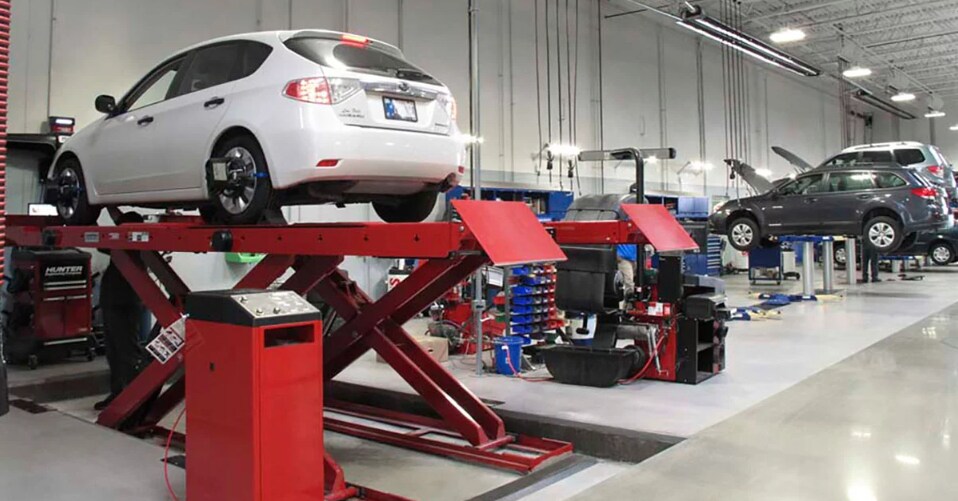
Montana's winter isn't just harsh, it's brutal on your Subaru. Between sub-zero temperatures, corrosive road treatments, and spring's unpredictable mood swings, your vehicle battles conditions that would make drivers elsewhere cringe. As snow melts and temperatures climb, it's time to see what winter left behind and get your Subaru ready for Montana's adventure season.
We have spent decades servicing Subarus here in Great Falls and across Montana. Skipping spring maintenance is how minor winter wear becomes major summer headaches. Whether you're gearing up for fishing season, planning that Glacier National Park trip, or just need reliable transportation over mountain passes, your Subaru deserves some attention after what it's been through. Schedule your spring service with our certified technicians who know exactly what Montana winters do to vehicles.
Why Spring Service Matters for Montana Subaru Owners
Spring service isn't routine maintenance, it's recovery time after months of punishment. Your Subaru has been your faithful companion through blizzards, ice storms, and roads treated with enough chemicals to melt Antarctica. Now we need to address the inevitable wear that builds up during our harshest season.
The Toll Montana Winters Take on Your Vehicle
Montana winters throw everything at your Subaru simultaneously. Extreme cold turns fluids into molasses and makes rubber parts brittle as potato chips. Road treatments packed with salt and chemicals attack metal surfaces with particular vengeance on the undercarriage, where protective coatings wear thin. Ice builds up in wheel wells and around brake components, creating stress points that accelerate wear.
Our temperature swings (40 degrees one day, sub-zero the next) create constant expansion and contraction cycles that stress seals, gaskets, and fluid systems. Your Subaru's Symmetrical All-Wheel Drive system works overtime in winter, generating extra heat and stress on drivetrain components. Even your battery struggles, losing up to 35 percent of its capacity in cold while your engine demands more power to start.
The Real Cost of Skipping Spring Maintenance
Postponing spring service doesn't save money, it risks much more. Minor brake fluid contamination from moisture buildup becomes brake system corrosion requiring complete replacement. Skip a cooling system inspection and that simple coolant flush becomes a roadside breakdown during summer heat.
Beyond repair costs, think about the inconvenience. Montana's outdoor season is short enough without losing weekends to unexpected breakdowns. Then there's safety: compromised brakes on mountain roads or worn suspension affecting handling on gravel passes. Spring service protects your investment and keeps your Subaru dependable when you need it most.
Undercarriage and Exterior Inspection
Your Subaru's undercarriage absorbed the worst punishment all winter. While you stayed comfortable inside, salt, chemicals, and debris have been attacking metal surfaces underneath. A thorough undercarriage inspection catches corrosion before it compromises structural integrity or mechanical components.
Checking for Road Salt and Corrosion Damage
Road treatments throughout Montana contain compounds designed to melt ice and, unfortunately, corrode metal. These chemicals collect in places you can't see: frame rails, suspension mounting points, brake lines, and fuel tank shields. During spring service, we lift your vehicle and examine these vulnerable areas for early corrosion signs.
Surface rust often responds to cleaning and protective coatings. Advanced corrosion requires more aggressive treatment. The trick is catching damage early, before structural or safety-critical components get compromised. We also check exhaust systems, which face corrosion from both external road treatments and internal moisture from cold-weather condensation.
Protecting Your Subaru's Paint and Body
Winter attacks more than the undercarriage. Paint and body panels also face assault from road debris, ice, and chemical treatments. Chips and scratches that seem purely cosmetic can become rust starting points if ignored. Spring provides the perfect opportunity to address these issues before summer sun and moisture speed up deterioration.
Professional detailing removes winter buildup and allows proper assessment of paint condition. Protective coatings or sealants guard against UV damage and environmental contaminants. For Montana drivers who tackle gravel roads, protective film on high-impact areas like door edges and behind wheel wells offers affordable insurance against future damage.
Tire and Wheel Assessment
Your tires connect your Subaru to Montana's roads. After months of navigating snow, ice, and frigid temperatures, they need careful evaluation to ensure they're ready for warmer weather conditions.
Evaluating Winter Tire Wear and Damage
If you run dedicated winter tires, inspect them thoroughly before storage. Check tread depth with the penny test: insert a penny into the tread with Lincoln's head upside down. If you see all of Lincoln's head, tread depth is below 2/32 inch and you need replacement before next winter.
Look for uneven wear patterns that might signal alignment issues or improper inflation. Check sidewalls for cuts, bulges, or weather cracking. Winter tires with remaining life should be cleaned, dried, and stored in a cool, dark location away from ozone sources. Store them flat or on a rack to maintain their shape.
When to Switch Back to All-Season Tires
Timing your switch to all-season tires balances safety with tire longevity. Winter tires use softer rubber compounds that wear quickly in warm temperatures. Subaru recommends switching when temperatures consistently stay above 45 degrees, though Montana's spring weather makes this window tricky to identify.
Think about your typical driving. If you're still navigating mountain passes or dealing with freezing overnight temperatures, keep winter tires on longer. Once you switch, get your alignment checked. Winter potholes and curb strikes can knock wheels out of alignment, causing uneven wear and poor handling. Check our service promotions for seasonal alignment specials that maximize tire life.
Brake System Evaluation
Your Subaru's brakes work overtime in winter, handling increased stopping distances on slippery surfaces and managing heat cycles from mountain descents. Spring service should include comprehensive brake system evaluation to ensure reliable stopping power as driving conditions improve.
We check brake pads and rotors for wear, measuring remaining pad thickness and examining rotors for warping or scoring. Brake fluid condition matters too, it's hygroscopic, absorbing moisture over time. Water contamination lowers fluid's boiling point and promotes internal corrosion. Subaru recommends regular brake fluid inspection, with changes based on condition and mileage.
For vehicles with Subaru's EyeSight driver assist technology, brake system health becomes even more critical since the system integrates with braking for automatic emergency braking and adaptive cruise control functions. We also check brake lines for corrosion or damage that could lead to failure.
Essential Fluid Checks and Changes
Fluids keep your Subaru running, and winter conditions stress them significantly. Spring service gives us the chance to evaluate condition and replenish fluids that protect critical systems.
Engine Oil and Coolant Inspection
Engine oil faces particular challenges in winter. Cold starts create condensation that contaminates oil with moisture. Short trips don't let engines reach full operating temperature, preventing moisture evaporation. The result can be sludge formation that compromises lubrication.
Subaru recommends oil changes based on driving conditions and mileage. Severe driving conditions (frequent short trips, extreme temperatures, dusty conditions) require more frequent changes. For most Montana drivers, your winter driving likely qualifies as severe service. Check your maintenance schedule for specific intervals.
Coolant inspection is equally important. We test coolant concentration to ensure proper freeze protection for next winter while verifying corrosion inhibitors remain effective. We also check hoses and connections for leaks or deterioration, as temperature extremes can speed up rubber degradation.
Brake and Transmission Fluids
Your Subaru relies on several other fluids that need periodic attention. Transmission fluid deserves spring inspection, especially for vehicles with higher mileage or those used for towing. While Subaru's continuously variable transmissions are designed for extended service intervals, severe driving conditions may warrant more frequent fluid changes.
Power steering fluid, differential fluid, and windshield washer fluid all require attention. For washer fluid, switch from winter formulations with lower freeze points to summer solutions with better cleaning properties. This simple change improves visibility and removes the bug residue Montana summers bring.
Battery and Electrical System Health
Your battery worked hard all winter, fighting cold temperatures while powering heaters, defrosters, and lights during long dark mornings. Spring provides the ideal time to assess battery health before summer heat arrives.
We perform load testing to evaluate your battery's actual capacity, not just its resting voltage. A battery that struggled through winter might have enough power for moderate conditions but fail when summer heat or electrical demands spike. We also check terminals for corrosion, clean connections, and verify that the charging system maintains proper voltage.
For vehicles with original batteries three years or older, consider proactive replacement. Montana's temperature extremes are particularly hard on batteries, and failure rates jump significantly after three years. Modern Subarus have extensive electrical systems supporting safety features, navigation, and driver assistance technology, none of which work when the battery dies.
Suspension and Steering Component Inspection
Montana's winter roads are brutal. Potholes, frost heaves, and rough pavement stress suspension and steering components beyond normal wear. Spring service should include thorough inspection of these systems to identify wear before it affects handling or safety.
We check struts and shocks for leaks or damage, examining mounting points for excessive movement. Ball joints, tie rod ends, and control arm bushings all wear over time, with winter conditions speeding the process. Loose or worn components compromise handling precision and can create dangerous situations on mountain roads or during emergency maneuvers.
Steering linkage gets similar attention. We check for play in the steering system, inspect power steering hoses for leaks or damage, and verify that steering racks and gearboxes function properly. For vehicles with electric power steering, we also verify proper operation and check for stored trouble codes that might indicate developing issues.
HVAC System Transition for Warmer Weather
Your heating system has been working overtime for months. Now it's time to verify your air conditioning system is ready for Montana's summer heat. While our summers aren't as extreme as other regions, temperatures can still hit the 90s, and mountain travel often involves following slow vehicles at low speeds where natural ventilation doesn't help.
We test air conditioning operation, checking refrigerant charge and inspecting components for leaks or damage. Cabin air filters deserve replacement if they haven't been changed recently. These filters trap dust, pollen, and debris, maintaining air quality inside your vehicle. A clogged filter reduces airflow and forces your HVAC system to work harder.
This is also the time to clean out any winter debris that's accumulated in vents or under seats, ensuring good airflow and eliminating any musty odors that can develop from moisture buildup during winter months.
Montana-Specific Spring Driving Considerations
Spring in Montana brings unique driving challenges that require specific preparation. Unlike regions with gradual seasonal transitions, Montana springs can deliver snow one day and 70-degree sunshine the next.
Preparing for Mountain Roads and Temperature Swings
Mountain passes present particular challenges during spring. Elevation changes mean temperatures that seem mild in Great Falls can still be below freezing at higher altitudes. Roads can be dry in valleys but snow-packed or icy on passes. Your Subaru needs to handle this variability.
Verify your all-season tires have adequate tread depth (3/32 inch minimum for safe wet-weather performance). Make sure windshield wipers are in good condition, as spring brings rain and melting snow that challenge visibility. Check that all lights function properly, since spring weather can reduce visibility dramatically.
Keep emergency supplies current: fresh water, non-perishable food, blankets, first aid supplies, and basic tools. Montana's unpredictable spring weather can strand even well-prepared drivers.
DIY Checks vs. Professional Spring Service
What You Can Do at Home
Some spring maintenance tasks are within reach of capable owners. You can check fluid levels, inspect tires for obvious damage, test lights and wipers, and give your Subaru a thorough cleaning. These basic checks help you stay connected to your vehicle's condition and can identify obvious issues.
Why Professional Service Makes the Difference
However, comprehensive spring service requires specialized knowledge, equipment, and experience. Proper undercarriage inspection needs a lift. Brake system evaluation requires precision measurement tools. Battery load testing demands specific equipment. Fluid condition assessment often requires chemical testing beyond visual inspection.
Our certified Subaru technicians receive ongoing training on the latest models and systems. They have access to technical service bulletins, recall information, and model-specific service requirements that generic shops can't match. For Subaru owners who value their vehicles and rely on them for Montana's demanding conditions, professional service provides peace of mind that all critical systems get proper attention.
Here's how spring service considerations vary across popular Subaru models:
| Service Area | Outback | Forester | Crosstrek |
|---|---|---|---|
| Undercarriage Focus | Increased ground clearance means more exposure; inspect cladding | Lower profile means more impact risk; check belly pan | Higher clearance but smaller; inspect plastic shields |
| Tire Considerations | Larger wheels/tires may show different wear patterns | All-season capability; evaluate based on use | Standard all-seasons adequate for most; check alignment |
| Fluid Priorities | Check CVT fluid if towing or high mileage | Standard intervals; inspect coolant for off-road use | Follow standard schedule; verify AWD fluid level |
| Adventure Prep | Cargo area inspection; roof rail condition | Check cargo capacity components; verify hitch if equipped | Inspect for trail damage; verify skid plates secure |
All Subaru models benefit from following the maintenance schedule in your owner's manual. The intervals outlined there represent Subaru's engineering guidance for keeping your vehicle reliable. Severe driving conditions common in Montana may warrant more frequent attention to certain items.
Schedule Your Spring Service at Great Falls Subaru
Your Subaru has earned professional attention after surviving another Montana winter. Our certified technicians understand the specific challenges that local driving conditions create and know exactly what to look for during spring service.
We use genuine Subaru parts, have access to the latest technical information and service procedures, and maintain the specialized tools required for proper diagnosis and repair. Don't wait for a problem to force your hand. Proactive spring maintenance prevents expensive repairs, protects your investment, and ensures your Subaru is ready when adventure calls.
Contact our service team at (406) 998-6198 to schedule your comprehensive spring service, or book your appointment online at your convenience. Montana's outdoor season waits for no one, make sure your Subaru is ready.
Categories:
Service