
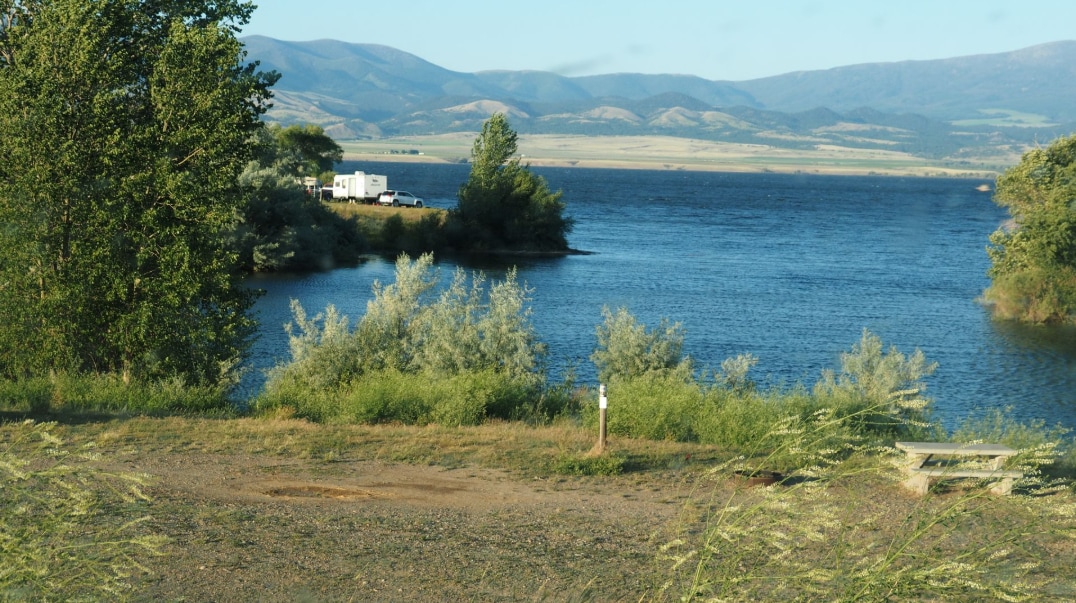
Montana has no shortage of wild country, but if you want a home base that puts some of state's best outdoor destinations within reach, Great Falls delivers. Nestled along the Missouri River with the Rocky Mountain Front to the west and rolling plains stretching east, this city is a genuine launching point for camping trips across central Montana.
Whether you're planning a weekend escape or a longer adventure, the options surrounding Great Falls range from serene riverside stops to rugged backcountry terrain worth every mile of the drive. This guide covers the best camping spots near Great Falls, MT, with the practical details you need to plan a trip that actually goes smoothly.
Why Great Falls Is the Perfect Base Camp for Montana Adventures
Great Falls sits at a geographic sweet spot for outdoor enthusiasts. Major highways connect the city to mountain ranges, river corridors, and national forest land in every direction. Groceries, fuel, and last-minute gear are all close at hand before you head out.
The Missouri River runs right through town, setting the tone for the natural beauty that surrounds the area. Combined with access to Lewis and Clark National Forest and several standout state parks, Great Falls gives campers a rare mix of convenience and wildness. You can grab breakfast in town, drive thirty minutes, and find yourself deep in canyon country with no crowds in sight.
Top Camping Spots Near Great Falls, MT
The options around Great Falls range widely in character, from family-friendly parks with full facilities to primitive dispersed sites where solitude is the main attraction. Here's a closer look at the spots worth putting on your list.
Giant Springs State Park
Giant Springs State Park is day-use only, meaning no overnight camping on site. That said, it makes an excellent pre- or post-camping stop and is worth building into any trip that starts or ends in Great Falls. The park sits just minutes from downtown and protects one of the largest freshwater springs in the country, a geological feature that feeds directly into the Missouri River. The Rivers Edge Trail runs along the water, and an on-site fish hatchery adds an educational draw for families.
Day-use access is free for Montana residents who have paid the state parks fee on their vehicle registration; non-residents pay a daily entrance fee. Facilities are well-maintained, and the walking paths are accessible for all ages. If you're arriving the evening before heading to a backcountry site, an early morning stop at Giant Springs is an easy way to start the trip right.
Sluice Boxes State Park
About 45 minutes southeast of Great Falls near Belt, Sluice Boxes State Park offers a dramatically different experience. Soaring cliffs and precipitous ledges mark Belt Creek Canyon as it slices out of the Little Belt Mountains, and narrow passages reward hikers willing to put in the miles. The terrain is rugged and the setting genuinely remote.
Camping here is backcountry tent camping only. A Backcountry Campsite Permit is required for overnight stays; contact Montana FWP headquarters in Great Falls to obtain one before your trip. The best window for visiting is mid-July through September, when creek crossings are safer and conditions are more manageable. Plan your route in advance, bring more water than you think you need, and pack sturdy footwear.
Lewis and Clark National Forest Dispersed Sites and Campgrounds
The Lewis and Clark National Forest sits roughly 40 to 60 minutes from Great Falls and offers both developed campgrounds and dispersed camping across multiple ranger districts. Two sites worth knowing specifically:
Thain Creek Campground offers shaded sites with fire pits and picnic tables, with trout fishing accessible in nearby creeks. The gravel access road is suitable for most vehicles, making it a practical choice even without high clearance.
Kings Hill Campground sits at approximately 8,000 feet in the Little Belt Mountains and delivers open high-elevation meadows with unobstructed sky in every direction. It typically opens mid-to-late June and closes around the end of September, so plan around that seasonal window. Higher elevation means cooler nights even in midsummer; bring layers regardless of the forecast.
Both campgrounds operate on a first-come, first-served basis with no reservations available. Fire restrictions apply seasonally across the forest, so verify current conditions before arrival, especially for August trips.
Belt Creek and the Highwood Mountains
The Highwood Mountains rise about an hour from Great Falls near the town of Belt as an isolated volcanic range surrounded by plains. Belt Creek winds through the lower foothills, offering creek-side cottonwood shade, fishing access, and some of the best stargazing in the region thanks to minimal light pollution. This area draws far fewer visitors than more established campgrounds, which is a big part of its appeal.
Dispersed camping within Lewis and Clark National Forest here is typically free. Trails range from easy creek walks to more demanding ridgeline routes, giving campers options depending on energy and experience. The Into the Little Belts camping guide is a useful resource for navigating site options. Always follow Leave No Trace principles in this area, and check current fire restrictions before you go. Keeping these less-trafficked sites clean ensures they stay accessible for future visitors.
When to Go: Best Seasons for Camping Near Great Falls
Late Spring (May to Early June)
Many forest roads remain muddy or snow-covered through May, and higher-elevation sites like Kings Hill aren't yet open. Lower-elevation spots near Belt Creek can be accessible, but expect wet conditions. This window rewards patient, well-prepared campers with wildflowers, high creek flows, and very few other people.
Summer (June to August)
Peak season. Long days and fully open roads make July the easiest time to access the widest range of sites, including Kings Hill and the higher Lewis and Clark terrain. August brings the most reliable warmth but also fire season, so check restrictions before any August trip. High plains wind around Great Falls can be significant even in summer, so site selection matters.
Fall (September)
Locals often consider September the best month. Crowds drop, temperatures cool to comfortable levels, and Sluice Boxes conditions improve. Check with Montana FWP before planning your visit to confirm accessibility and creek crossing safety. Kings Hill closes by the end of September, so plan accordingly for high-elevation sites.
Winter (October to May)
Most developed sites close for the season. Winter camping in Montana demands serious cold-weather experience and gear rated for subzero conditions. For most campers, this isn't a recommended window.
What to Pack and Know Before You Hit the Road
Montana-specific prep makes the difference between a good trip and a frustrating one. Before leaving Great Falls, work through this checklist:
Bring layers and wind protection. High plains wind is significant even in summer, and temperatures drop quickly after sunset at elevation.
Use bear-aware food storage at all backcountry and dispersed sites. Bear canisters or proper hang technique are required in certain areas.
Carry a water filtration system. Dispersed sites have no treated water, and even clear mountain streams require treatment.
Download offline maps before you leave. Cell coverage has significant gaps throughout the region.
Check current fire restrictions before every trip, especially August departures.
Gravel road access to Thain Creek Campground and Highwood Mountains sites is suitable for most vehicles, but adequate clearance helps you avoid bottoming out on rougher sections.
Leave No Trace matters specifically here. The dispersed and backcountry sites in this guide stay accessible because visitors pack out what they pack in. Pack out all waste, avoid widening existing trails, and keep campfire footprints minimal.
Why a Subaru Is the Ultimate Camping Companion in Montana
The camping destinations in this guide share a common thread: gravel access roads, remote terrain, and real distance from the nearest service stop. That context makes the case for Subaru more practically than any general pitch.
Standard AWD handles the gravel forest roads leading to Thain Creek, the Highwood Mountains, and dispersed Lewis and Clark sites without requiring a specialized setup. Standard roof rails on most Subaru models let you add a cargo box or kayak carrier to haul tents, coolers, and gear without sacrificing rear seat space. And when the next shop is 60 miles away on a forest road, driving a vehicle with a strong reliability record is a practical consideration, not just a preference.
Get Your Subaru Adventure-Ready for Camping Season
Pre-Season Prep
Before the camping season opens, run through the basics: tire pressure, oil, coolant, and brake fluid. Ten minutes of checking saves hours of problems on remote roads. If you're planning multiple trips, a pre-season service appointment makes practical sense.
Plan Your Next Adventure with Great Falls Subaru
Great Falls Subaru offers full maintenance from factory-trained technicians and carries genuine Subaru accessories designed to fit each model. Whether you're servicing your current vehicle for the season or exploring adventure-ready inventory before your first trip out, the team at Great Falls Subaru can help you get prepared. Visit the dealership or reach out online to get started before the season fills up.
Categories:
Community Events