
Winter in Great Falls doesn't ease in gradually. One week you're raking leaves, the next you're scraping frost off the windshield at 6 a.m. That kind of quick turn is exactly why Subaru winter service Great Falls MT drivers rely on matters so much.
At Great Falls Subaru, we see the same pattern every year: vehicles that ran fine in October start struggling once temperatures drop and roads turn icy. If you want to get ahead of it, schedule service before the first snowfall typically hits our area.
Why Winter Vehicle Prep Matters in Great Falls, MT
Our winters aren't mild. December is usually the coldest month, with January close behind at a high near 32.4°F, and the December through February stretch averages somewhere in the high teens to low thirties. Great Falls also sees about 58 inches of snow annually, more than double the national average of 28 inches, and snow often lingers on the ground for extended stretches throughout the season. Nighttime lows drop to 32°F or below on about 166 days a year in Great Falls, according to National Weather Service climate normals.
That combination of cold, snow, and ice puts real strain on a vehicle. Batteries lose cranking power. Tires lose grip. Fluids thicken and slow everything down. Skipping winter prep raises the odds of an accident on an icy commute through Great Falls, Black Eagle, Belt, Ulm, or Vaughn. Regular Subaru winter maintenance Great Falls drivers schedule each fall tends to catch small issues before they turn into expensive repairs or roadside emergencies.
Core Subaru Winter Readiness Services
A proper winter service visit touches several systems at once, since cold weather doesn't just affect one part of the vehicle. We check the following areas closely because each one behaves differently once temperatures drop.
Battery and Cold-Start Power
Cold increases a battery's internal resistance, which reduces the current available to start the engine. At 32°F, a fully charged battery delivers only about 65% of its rated cranking power. Drop to 0°F, and that figure falls to roughly 40%. We test cold cranking amps (CCA), which measures the power a battery delivers at 0°F for 30 seconds while holding at least 7.2 volts.
As batteries age, actual CCA output declines below the rated spec, so testing tells us what a battery can really do. Engine oil also thickens in cold weather and requires more energy to turn the crankshaft, so a weak battery paired with thick oil compounds the problem at the worst possible moment.
Tire Tread and Winter Traction
Tires are your only contact with the road, and winter exposes worn ones fast. The legal minimum tread depth is 2/32 inch, and braking performance drops sharply below that. We generally recommend replacement around 5/32 inch for reliable snow mobility, and for real winter traction, tread depth should be at least 6/32 inch. Below that, snow-packing grip falls off quickly.
Tire Pressure and AWD Tire Matching
Cold air also reduces tire pressure, so we check it against the manufacturer's recommended specs rather than guessing. If your Subaru relies on AWD, tire matching becomes even more important. Subaru's AWD systems are engineered to distribute power based on even tire diameters, so mismatched tread or uneven wear can throw off that balance and stress the differential.
Engine Oil and Coolant
Thickened oil forces the engine to work harder just to get moving, especially during those short trips common in Great Falls winters. We check oil condition and confirm the right viscosity is in place for cold-weather operation. We also confirm coolant is mixed at the proper 50/50 antifreeze-to-water ratio, which protects against freezing without compromising heat transfer.
Brakes and Stopping Power
Subaru vehicles come equipped with 4-wheel ABS, but that technology only works as well as the brake components behind it. We inspect pad thickness and brake fluid condition, flushing or replacing fluid when needed. On black ice, early and gradual braking makes a real difference, and worn pads or low fluid can quietly erode stopping power right when you need it most.
Visibility: Wipers, Washer Fluid, and Lights
Standard wiper blades often can't keep up with snow and ice buildup. We recommend switching to winter-specific blades before the cold sets in, along with topping off washer fluid with a winter-formula mix that won't freeze on contact. We also check headlights, taillights, and mirrors as part of the visibility review, since reduced daylight hours make every one of those components more important.
Heater and Defroster Performance
A weak heater or slow-clearing defroster is a safety issue if your windshield stays fogged during a commute. We test airflow and heat output, and weak performance in either area usually signals a problem worth catching now rather than mid-January.
A typical Subaru winter service Great Falls MT appointment covers battery and CCA testing, tire tread depth and pressure inspection, a review of oil and other fluid levels, a check of brake pads and fluid, a look at wiper blades and washer fluid, and a test of heater and defroster performance.
The Value of a Multipoint Inspection Before Winter
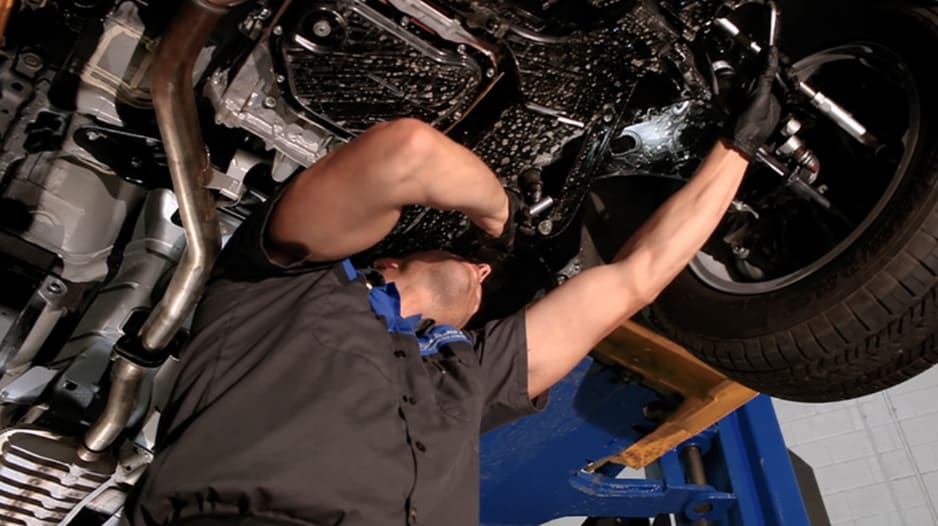
Beyond these individual checks, a scheduled visit typically includes a multipoint inspection performed by factory-trained, Subaru-certified technicians using Genuine Subaru Parts engineered to spec and the right diagnostic tools for the job. This gives us a full picture of your vehicle's condition rather than just addressing one symptom.
The value here is proactive. Instead of waiting for a battery to die on a sub-zero morning or a brake issue to show up on an icy road, a multipoint inspection surfaces those problems while there's still time to fix them on your schedule instead of the vehicle's. That upfront check tends to give owners real peace of mind heading into the snowy months, knowing their Subaru has been looked over by someone who knows exactly what to check.
Why Service Needs Vary by Vehicle Age, Mileage, and History
Not every Subaru needs the same winter prep. Scheduled maintenance intervals are based on mileage and time, and your owner's manual lays out the specifics for your model: oil changes, tire rotations, filter replacements, inspections. But mileage numbers only tell part of the story. A vehicle used mostly for short trips around Great Falls or one that regularly tows through Ulm or Vaughn will wear differently than one used mainly for highway driving. Stop-and-go traffic wears down batteries and brakes faster, and temperature swings and towing add their own strain on top of that.
An older vehicle or one with higher mileage often needs more frequent checks simply because components degrade over time. Reviewing your Subaru's service history helps us figure out what's actually due versus what can wait, which is part of why we don't recommend a one-size-fits-all winter checklist.
Cost for winter service varies depending on your vehicle's age, mileage, condition, and which specific services or parts are needed, so the most accurate way to know what your Subaru requires is to schedule an appointment and get a direct assessment rather than guessing based on a general estimate.
Benefits of Subaru-Trained Technicians and Genuine Parts
Great Falls Subaru has many factory-trained, Subaru-certified technicians on staff, handling routine filter replacement all the way up through more involved engine and transmission work. That training matters because Subaru's AWD systems, boxer engines, and electronic safety features have specific service requirements that generic shop experience doesn't always cover.
We use Subaru OEM parts and Genuine Subaru Parts, which are built to the exact specifications your vehicle was designed around. That consistency matters most in winter, when a mismatched part or off-spec fluid can create problems that don't show up until the first hard freeze. Drivers throughout the area consistently mention how much they appreciate having their vehicle handled by technicians who specialize in Subaru vehicles specifically, not just vehicles in general.
Check Current Service Specials
Winter maintenance is easier to keep up with when it fits your budget. We keep our current service specials updated with offers that can help offset the cost of seasonal maintenance. It's worth checking before you book, since available offers change and this gives you a clear view of what's currently available without any guesswork.
Schedule Your Winter Service at Great Falls Subaru
Cold batteries, worn tires, tired brakes, and fluids that thicken up over a Montana winter all add up fast if nothing gets checked ahead of time. Getting ahead of these issues now saves headaches later. Our factory-trained technicians, located at 800 Central Avenue in Great Falls, MT, serve drivers throughout Black Eagle, Belt, Ulm, and Vaughn, and we're ready to help your Subaru handle whatever this winter brings.
Give our service department a call at (406)-998-6198, or go ahead and schedule your winter service appointment online.
If you have questions first, you can also reach out to our team and we'll help you figure out exactly what your Subaru needs before winter takes hold.
Categories:
Service